1 Corinthians Week 1
Sharable notes for the August 2, 2026 message.

Scriptures used: 1 Corinthians 1:1-10; 3:9; 4:15
Scriptures referenced: 1 Corinthians 1-4; Acts 18
God's people must guard against vision drift. Just as Hollywood and the Corinthian church drifted from their original purpose, believers and churches must continually realign themselves with God's vision.
Corinth:
Wealthy, influential port city.
Diverse population and thriving trade.
Known for entertainment, athletics, and widespread immorality.
Paul planted a church in Corinth that was meant to reflect Christ rather than mirror its surroundings.
Paul writes 1 Corinthians after receiving reliable reports of problems within the church, yet still lovingly addresses them as family.
There are five major themes Paul addresses throughout the letter:
Division and disunity
Sexual immorality
Christian liberty
Disorder in worship and spiritual gifts
Confusion about the resurrection
The story of Sosthenes illustrates that no matter someone's past or circumstances, the gospel has the power to change lives and make people partners in God's mission.
Three theological concepts:
Justification – declared righteous through Christ.
Sanctification – the ongoing process of becoming more like Christ. “If Christ has delivered us from, that means we should no longer desire to walk in.”
Glorification – future perfection in God's presence.
Christians are called to be holy—not perfect, but distinct from the world in both character and relationships.
Paul writes from a pastoral and fatherly heart. He shows us that:
Correction flows from gratitude and love.
God does not give up on His people. “Don't let the enemy dictate what God has delivered.”
Gratitude helps overcome bitterness toward others. “Your gratitude for will keep you from being angry towards and hateful of.”
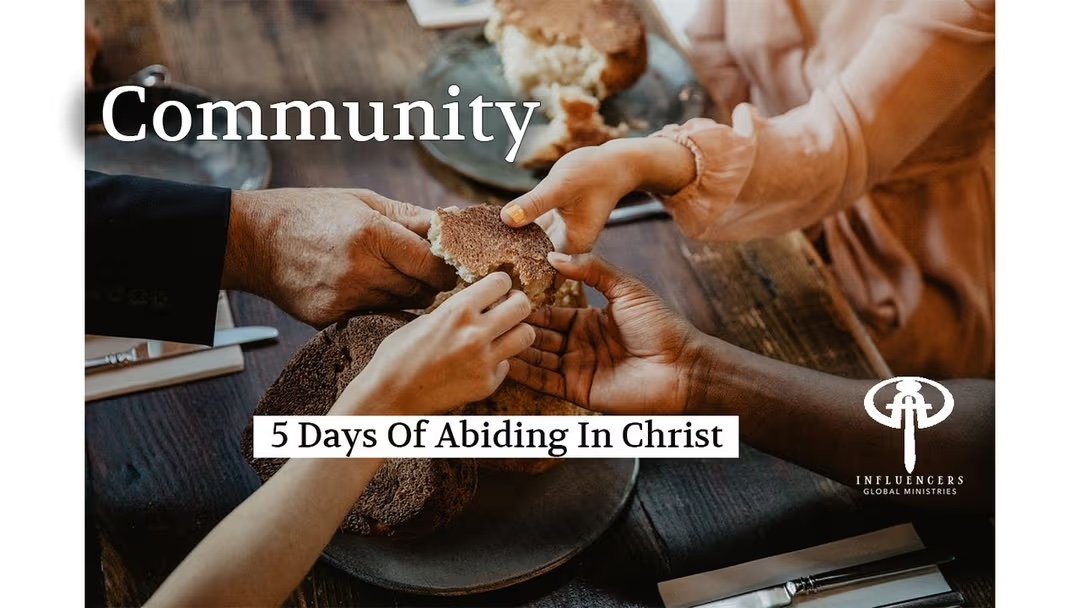
There is a difference between simply being connected to church and living in authentic Christian community with others in the church.
We cannot approach the body of Christ from a consumeristic viewpoint. Real community involves vulnerability, accountability, sacrifice, and mutual encouragement.
God often grows us through other believers. Spiritual maturity is not an individual pursuit. God uses parents, mentors, pastors, friends, and fellow church members to shape us into Christ's likeness.
Every believer has a meaningful role in the body of Christ. No one is insignificant, and faithful service can have eternal impact. “There are no insignificant people in the body of Christ, just people who use their gifts insignificantly.”
God is faithful to sustain His people. Even when believers struggle or churches fall short, God's faithfulness remains constant. He is committed to completing the work He has begun in those who belong to Him.
Practical application:
Am I in Christ?
Am I living as someone set apart for Him?
Am I actively living in biblical community?
Click the image to start a new 5 day devotion in YouVersion: